How I Finally Made Exercise Stick — A Beginner’s Real Talk
Starting an exercise routine felt impossible at first — I tried, failed, and quit more times than I can count. But last year, something clicked. Instead of chasing intense workouts, I focused on small, doable habits that fit my real life. No gym shaming, no extreme plans. Just simple, sustainable changes that actually worked. If you’ve ever felt stuck or overwhelmed, this is for you. I’m not a fitness expert or a personal trainer. I’m someone who wanted to feel stronger, have more energy, and stop dreading the idea of moving my body. What changed wasn’t a miracle diet or a trendy workout. It was learning how to make movement a natural, kind, and consistent part of my day. This is the honest journey of how I finally made exercise stick — not through force, but through patience, self-awareness, and realistic choices.
The Struggle Was Real (And Relatable)
For years, I believed that exercise had to look a certain way to count. It meant sweating through hour-long gym sessions, lifting heavy weights, or running miles on a treadmill. Anything less felt like failure. So, I’d sign up for memberships with big dreams, only to stop going after a few weeks. I downloaded apps that promised fast results, followed workout videos, and even bought resistance bands I never used. Each time, the pattern was the same: excitement, effort, burnout, guilt, and then quitting. I wasn’t lazy — I was overwhelmed. Between work, family, and daily responsibilities, adding one more demanding task felt impossible. And when I missed a day, I’d tell myself I’d ‘failed,’ which made it easier to give up completely.
What I didn’t realize then was that my expectations were setting me up for disappointment. I thought progress meant pushing harder, doing more, and never missing a day. But life isn’t predictable. There are sick kids, busy weeks, emotional lows, and days when just getting through the routine feels like enough. The truth is, inconsistency doesn’t mean you’ve failed. It means you’re human. Every time I quit, I wasn’t weak — I was just using a strategy that didn’t fit my life. The turning point came when I stopped asking, ‘How can I push myself harder?’ and started asking, ‘How can I make this easier to stick with?’ That shift in thinking changed everything.
Many women in their 30s, 40s, and 50s face the same struggle. They want to feel healthier, stronger, and more in control of their bodies. But the message they get from fitness culture is often the opposite of helpful — it’s about transformation, not sustainability. It’s about six-pack abs and dramatic weight loss, not energy, mood, or long-term well-being. This creates a cycle of starting strong and fading fast. The good news? You don’t have to choose between giving up and pushing yourself to the edge. There’s a middle path — one that honors your time, your energy, and your real life.
Why Most Beginner Exercise Plans Fail
If you’ve ever started a new workout plan only to lose steam within weeks, you’re not alone. Research shows that nearly half of people who begin an exercise program will stop within the first three to six months. The reason isn’t lack of willpower — it’s poor design. Most beginner plans are built on outdated ideas: that more is better, that intensity equals results, and that motivation alone can carry you through. But motivation fades. Willpower is limited. And when a plan doesn’t account for real life, it’s doomed from the start.
One of the biggest pitfalls is starting too big. Jumping into 45-minute workouts five days a week may sound impressive, but it’s rarely sustainable for someone who hasn’t been active. It leads to soreness, fatigue, and frustration — not the confidence boost you need. Another common mistake is ignoring lifestyle fit. A plan that requires gym access, special equipment, or long time blocks won’t work for someone managing a household or working full-time. And when people can’t meet those demands, they feel like they’ve failed, when really, the plan failed them.
Science supports a different approach. Studies on habit formation show that consistency is far more important than intensity when it comes to long-term health. A 2019 review published in the British Journal of Sports Medicine found that regular, moderate physical activity — even in short bursts — significantly reduces the risk of chronic diseases like heart disease, type 2 diabetes, and depression. The key wasn’t how hard people exercised, but how often they moved. This means that a 10-minute walk every day is more beneficial than an intense workout once a week followed by days of inactivity.
Sustainability should be the goal, not speed or difficulty. When we focus on doing something small every day, we build momentum. We create neural pathways that make movement feel normal, even automatic. Over time, this small effort compounds. You don’t need to be perfect. You just need to show up, in whatever way you can. That’s what leads to lasting change — not extreme effort, but consistent, manageable action.
Shifting Mindset: From “Working Out” to “Moving More”
The biggest breakthrough in my journey wasn’t a new exercise — it was a new definition of what exercise means. I stopped thinking of it as something you do for an hour at the gym and started seeing it as part of everyday life. Movement became less about performance and more about presence. Instead of asking, ‘Did I work out today?’ I began asking, ‘Did I move my body in a way that felt good?’ This subtle shift removed the pressure and opened up more opportunities to be active.
Reframing physical activity as self-care, rather than punishment, changed my relationship with movement. I used to see exercise as something I had to do to ‘earn’ food or fix my body. Now, I see it as a gift — a way to care for myself, clear my mind, and feel more alive. This mindset reduces guilt and increases motivation. When you move because you want to feel better, not because you’re trying to change how you look, the experience becomes more enjoyable and sustainable.
Real-life examples made this shift possible. I started taking short walks after dinner, even if it was just around the block. I did gentle stretches while watching TV. I took the stairs instead of the elevator. I parked farther away at the grocery store. I even had ‘walking meetings’ with my spouse, talking through household decisions while moving. These small actions didn’t feel like workouts, but they added up. Over time, they built confidence. I realized I didn’t need a perfect routine to make progress — I just needed to move more, in ways that fit my day.
This approach is especially helpful for women balancing multiple roles. You don’t need to carve out extra time — you just need to use the time you already have more intentionally. Movement becomes woven into your day, not another item on your to-do list. And as these small actions become habits, they create a foundation for bigger changes. You start to feel stronger, sleep better, and have more energy — which naturally leads to wanting to do a little more.
My Simple 3-Part Starter Plan That Actually Worked
After years of trial and error, I landed on a beginner-friendly structure that finally stuck. It’s not flashy or extreme — just simple, balanced, and flexible. The plan has three parts: daily movement, weekly strength, and regular flexibility work. Each component supports the others and can be adjusted based on energy, time, and mood. The goal isn’t to follow it perfectly, but to use it as a guide for building consistency.
Daily movement is the foundation. I start with just 10 minutes of walking, most days. It can be in the morning, after lunch, or after dinner — whenever works. If I’m short on time, I break it into two 5-minute sessions. I don’t track steps or pace — I just move. This small habit keeps my body active and my mind clear. On weekends, I might extend it to 20 or 30 minutes, especially if I’m walking with a friend or enjoying nature. The key is to make it easy, not exhausting.
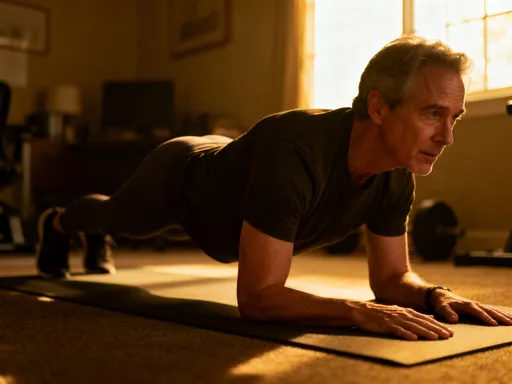
Weekly strength work comes in the form of bodyweight exercises. Twice a week, I do a short routine that includes squats, wall push-ups, and seated leg lifts. I do them at home, no equipment needed. Each session lasts about 10 to 15 minutes. I don’t push for reps or speed — I focus on form and control. Strength training helps maintain muscle mass, supports joint health, and boosts metabolism, especially as we age. But more than that, it makes daily tasks easier — carrying groceries, climbing stairs, playing with grandchildren.
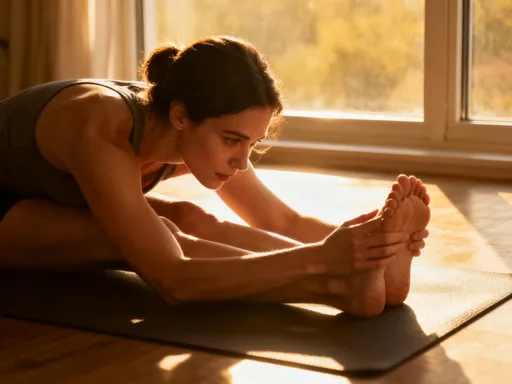
Flexibility is the third piece. Every night before bed, I spend 5 to 10 minutes stretching. I focus on areas that feel tight — shoulders, hips, lower back. I follow a simple routine I learned from a physical therapist: neck rolls, shoulder stretches, seated forward bends, and gentle twists. This practice improves mobility, reduces stiffness, and helps me sleep better. It also creates a calming end to the day, signaling to my body that it’s time to rest.
To stay on track, I use simple tools. I set phone reminders for my walks and strength sessions. I keep a small notebook as a habit tracker, marking each day I complete a movement goal. I don’t beat myself up for missed days — I just note them and move on. This low-tech system keeps me accountable without pressure. I don’t rely on apps or wearables — just awareness and intention.
How to Build the Habit Without Burning Out
One of the most effective strategies I’ve used is habit stacking — linking new behaviors to existing routines. For example, I do my morning stretches right after brushing my teeth. I take a short walk after I finish lunch. I do a few squats while waiting for the kettle to boil. By attaching movement to habits I already do, I reduce the mental effort needed to get started. This makes it easier to stay consistent, even on busy or stressful days.
Another rule I follow is the two-day rule: I never let myself skip movement two days in a row. If I miss a walk one day, I make sure to do something — even if it’s just 5 minutes of stretching — the next day. This prevents the ‘all-or-nothing’ mindset that leads to quitting. It keeps the habit alive, even during setbacks. Progress isn’t about perfection — it’s about persistence.
Starting small is crucial. I began with just 5 minutes a day. That tiny commitment removed the mental barrier. When the idea of exercising feels overwhelming, ask yourself: Can I move for 5 minutes? Most people can. And once you start, you often end up doing more. But even if you don’t, 5 minutes still counts. Over time, those minutes add up. The goal is to make the entry point so easy that saying no feels harder than saying yes.
Finally, I celebrate small wins. Did I walk today? That’s a win. Did I do my stretches? Another win. I acknowledge these moments, even silently. This builds positive reinforcement and strengthens the habit loop. When your brain associates movement with reward — not punishment — you’re more likely to keep going. Self-kindness, not self-criticism, is the engine of long-term change.
Listening to Your Body (Not the Hype)
In a world full of fitness influencers and viral challenges, it’s easy to feel like you’re not doing enough. But comparing yourself to others — especially people with different bodies, resources, or goals — is a recipe for frustration. Social media often shows the highlight reel: perfect form, fast progress, dramatic transformations. What it doesn’t show is the rest, the recovery, the setbacks, or the years of effort behind the scenes. Trying to match that pace leads to burnout, injury, and discouragement.
Instead, I’ve learned to listen to my body. Some days, I have more energy and can walk faster or do a few extra squats. Other days, I feel tired or stiff, so I move slower or skip strength work. That’s okay. Movement should respond to how you feel, not follow a rigid schedule. Paying attention to physical cues — like sleep quality, energy levels, and mood — helps me adjust my routine in a way that supports my well-being.
Rest and recovery are just as important as activity. Muscles need time to repair. The nervous system needs downtime. Overtraining increases injury risk and can lead to fatigue, irritability, and poor sleep. I’ve learned to honor rest days, not see them as failures. On those days, I might do gentle stretching or simply focus on hydration and nutrition. Recovery isn’t laziness — it’s part of the process.
Intuitive movement — doing what feels good — has become my guiding principle. If walking feels better than jogging, I walk. If stretching feels better than strength work, I stretch. This approach fosters a kinder, more sustainable relationship with exercise. It’s not about forcing yourself to do what’s ‘supposed’ to be hard. It’s about finding joy, ease, and balance in movement.
Making It Last: Turning Motion into Lifestyle
Over time, small changes led to real results — not just in how I looked, but in how I felt. I had more energy throughout the day. My sleep improved. I felt stronger and more confident in my body. I could play with my kids or grandkids without getting winded. These benefits weren’t immediate, but they were lasting. And they motivated me to keep going, not out of obligation, but out of appreciation for what my body could do.
As the routine became natural, I gently increased the duration or variety. I added a second weekly strength session. I extended my walks to 20 minutes. I tried a beginner yoga video once a week. But I never forced it. Changes came only when the current habit felt easy and automatic. This gradual progression prevented burnout and kept the process enjoyable.
Long-term success isn’t about dramatic transformation — it’s about consistency, self-kindness, and showing up for yourself. It’s understanding that some days will be better than others, and that’s part of the journey. The goal isn’t to be perfect. It’s to build a relationship with movement that lasts a lifetime. When exercise becomes a form of self-respect, not punishment, it stops feeling like a chore and starts feeling like a choice you want to make.
For women managing busy lives, this approach offers freedom. You don’t need hours a day or expensive equipment. You just need a few minutes, a willingness to start small, and the belief that you’re worth the effort. Movement is not a punishment for what you ate. It’s a celebration of what your body can do. It’s a way to feel stronger, calmer, and more connected to yourself.
Exercise doesn’t have to be hard to be effective. By starting small, staying consistent, and treating movement as a form of self-respect, anyone can build a lasting habit. This isn’t a quick fix — it’s a real, doable path to feeling better every day.