How I Took Control of My Cholesterol—And What Really Changed
For years, I ignored my lipid levels—until a routine check revealed numbers I couldn’t brush off. It wasn’t a crisis, but a wake-up call. Through small, consistent changes and daily monitoring, I began to see shifts that surprised me. This is not a miracle story, but a real journey of managing lipid health the sustainable way. No quick fixes, just practical steps that actually work—backed by science and lived experience. What started as a concern about heart health evolved into a deeper understanding of how daily habits shape long-term wellness. The numbers on the lab report were only the beginning of a much larger conversation with myself about care, consistency, and the quiet power of incremental change.
The Moment Everything Shifted
It was a typical morning—coffee, work emails, and a reminder for my annual physical. I hadn’t given much thought to my blood work; I felt fine. But when the results came back, one line stood out: my LDL cholesterol was 158 mg/dL, just above the borderline-high threshold. My HDL, the so-called “good” cholesterol, was only 42 mg/dL—lower than recommended. Triglycerides were also creeping upward. My doctor didn’t sound alarmed, but he said, “These are numbers we should start paying attention to.” That was the moment I realized I could no longer treat my health as something that would simply take care of itself.
At first, I felt a flicker of denial. I wasn’t overweight. I didn’t smoke. I exercised occasionally. How could my numbers be off? But the more I reflected, the more I recognized the patterns: meals eaten quickly at my desk, weekend habits that leaned heavily on processed snacks, and stress that had become a constant background hum. This wasn’t about one bad choice—it was about a lifestyle that had slowly drifted away from balance. The emotional shift wasn’t fear, but clarity. I wasn’t facing a crisis, but I was standing at a crossroads. I could keep ignoring the signals, or I could start listening.
What also changed was my understanding of why lipids matter beyond the standard “heart disease risk” message. Cholesterol isn’t just a number tied to arteries; it’s woven into how we feel every day. Poor lipid profiles can affect circulation, energy levels, and even mental clarity. When LDL builds up, it doesn’t just sit silently—it can contribute to inflammation and reduced blood flow, which over time impacts how well our organs function. HDL, on the other hand, acts like a cleanup crew, removing excess cholesterol from the bloodstream. When HDL is low, that system slows down. Recognizing this helped me see lipid health not as a future concern, but as part of my present vitality.
This realization brought me to the concept of health monitoring as a proactive practice. Instead of waiting for symptoms or annual checkups, I began to view tracking my numbers as a form of self-respect. It wasn’t about obsession or anxiety; it was about awareness. Just as we monitor our finances to stay within budget, or track our steps to stay active, monitoring lipids became a way to stay aligned with my health goals. It shifted my mindset from reactive to responsive—from waiting for problems to appear, to actively shaping the conditions for well-being.
Understanding Lipids Without the Jargon
When I first looked up cholesterol, I was met with terms like apolipoproteins, particle size, and non-HDL cholesterol. It was overwhelming. But over time, I learned to break it down into simpler, more meaningful ideas. Think of your bloodstream as a highway, and cholesterol as cargo being transported by vehicles called lipoproteins. Low-density lipoprotein (LDL) is like a delivery truck that drops off cholesterol in the arteries. When there are too many deliveries—or the trucks are too small and dense—they can leave behind deposits that build up over time. High-density lipoprotein (HDL) is the cleanup crew, picking up excess cholesterol and taking it back to the liver for disposal. Triglycerides, another type of fat in the blood, are like stored energy from excess calories—especially from sugars and refined carbs.
One of the biggest misconceptions I had to unlearn was that “cholesterol is bad.” In reality, cholesterol is essential. It’s used to build cell membranes, produce hormones like estrogen and testosterone, and support brain function. The issue isn’t cholesterol itself, but the balance and type of lipoproteins carrying it. Another myth is that diet alone controls everything. While food plays a major role, factors like genetics, age, activity level, and even gut health influence lipid levels. Some people can eat a high-fat diet and have excellent numbers; others struggle despite eating “clean.” This doesn’t mean we’re powerless—genetics may load the gun, but lifestyle pulls the trigger.
Another important insight was that optimal ranges aren’t one-size-fits-all. For most adults, an LDL under 100 mg/dL is ideal, and HDL above 60 mg/dL is protective. But these targets can vary based on individual risk factors. Someone with a family history of early heart disease may need stricter goals, while another person with no other risks might have more flexibility. What matters most isn’t a single number, but the trend over time. A consistent downward trend in LDL, even if still above ideal, shows progress. Likewise, a rising HDL—no matter the starting point—indicates positive change. This shift in perspective helped me focus on patterns rather than perfection.
Understanding these basics didn’t require a medical degree—just curiosity and a willingness to learn. I started asking better questions at doctor visits, reading reputable sources like the American Heart Association and NIH guidelines, and avoiding sensationalized health blogs. Knowledge became a tool, not a source of anxiety. When I understood what the numbers meant, I could make informed choices instead of reacting out of fear. This foundation of clarity made every subsequent change feel more intentional and sustainable.
Why Monitoring Matters More Than You Think
Before this journey, I thought of blood tests as annual events—something you did once a year and then forgot about. But I soon realized that infrequent testing creates blind spots. Lipid levels don’t stay constant; they respond to what we eat, how we sleep, and how we manage stress. Without regular tracking, it’s impossible to see the connection between daily habits and long-term trends. For example, I noticed that after a week of late nights and takeout meals, my next test showed a noticeable uptick in triglycerides. When I returned to regular sleep and home-cooked meals, the numbers improved. These insights wouldn’t have been visible with once-a-year testing.
Monitoring became a way to gather data about my body’s responses. I didn’t need advanced tools—just a notebook and access to lab results. I began recording not just the numbers, but the context: recent meals, stress levels, sleep quality, and physical activity. Over time, patterns emerged. I saw that even small changes—like skipping dessert for three nights or taking a 20-minute walk after dinner—had measurable effects. This wasn’t about micromanaging, but about building awareness. When you see that your choices directly influence your health, motivation shifts from external pressure to internal alignment.
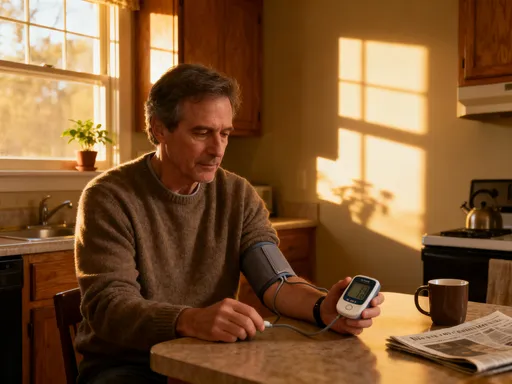
Some people use home cholesterol monitors, which can provide immediate feedback, though they typically measure total cholesterol and may not break down LDL, HDL, and triglycerides separately. Whether using home devices or lab tests, the key is consistency. Tracking every three to six months allowed me to see progress without becoming obsessive. I also learned to interpret results in context—short-term fluctuations are normal, and one high reading doesn’t erase months of progress. The goal wasn’t perfection, but direction. Was my overall trend moving toward better balance? That was the real question.
What surprised me most was how monitoring fostered accountability without judgment. There were months when my numbers didn’t improve, and instead of feeling discouraged, I used those moments to reflect. Had I been traveling? Under more stress? Eating more convenience foods? Instead of blaming myself, I looked for patterns and adjusted. This approach removed the shame often associated with health struggles and replaced it with problem-solving. Monitoring wasn’t about policing myself—it was about partnering with my body, learning its rhythms, and responding with care.
My Daily Habits That Made a Difference
The most effective changes weren’t dramatic overhauls, but small, consistent shifts in daily habits. One of the first things I focused on was fiber. I increased my intake of whole grains like oats, barley, and quinoa, and added more legumes—lentils, black beans, chickpeas—to my meals. Soluble fiber, in particular, has been shown to help lower LDL by binding to cholesterol in the digestive system and removing it from the body. I didn’t eliminate any foods, but I made fiber-rich options the default. A simple bowl of oatmeal with berries became my go-to breakfast, replacing sugary cereals I used to grab in a hurry.
I also shifted toward plant-based proteins. Instead of reaching for processed meats or heavy cuts of red meat, I incorporated more tofu, tempeh, edamame, and beans into lunches and dinners. These foods are naturally low in saturated fat and high in nutrients that support heart health. When I did eat animal protein, I chose lean options like skinless poultry or fatty fish such as salmon and mackerel, which are rich in omega-3 fatty acids. These healthy fats help reduce inflammation and lower triglycerides. I didn’t adopt a strict vegetarian diet—just a more balanced ratio of plant to animal foods.
Fats themselves weren’t the enemy; it was the type that mattered. I replaced butter and margarine with olive oil, using it for cooking and dressings. Nuts—especially almonds, walnuts, and pistachios—became a regular snack. A small handful a day provided healthy monounsaturated and polyunsaturated fats, which have been linked to improved HDL levels. Avocados were another favorite—sliced on toast, added to salads, or blended into smoothies. These weren’t “superfoods” in a trendy sense, but practical, satisfying choices that supported lipid balance.
Equally important was what I reduced. I cut back on processed sugars—not by banning desserts, but by becoming more mindful. I asked myself: Is this something I truly enjoy, or am I eating it out of habit or stress? I started reading labels and was surprised by how much added sugar was in sauces, breads, and even “healthy” snacks. By choosing whole, unprocessed foods most of the time, my sugar intake naturally decreased. Hydration also played a role. I made it a habit to drink water throughout the day, which helped reduce cravings and supported overall metabolic function. These changes weren’t about deprivation—they were about upgrading my choices in a way that felt sustainable.
Movement as Medicine (Without the Gym Obsession)
I’ll admit, the idea of joining a gym intimidated me. I didn’t enjoy structured workouts, and the thought of spending hours on a treadmill felt unsustainable. But I realized that movement didn’t have to mean intense exercise. What mattered most was consistency. I started with daily walks—just 20 minutes after dinner. At first, it felt like a chore, but over time, it became a cherished part of my routine. I noticed that on days I walked, I slept better, felt calmer, and had more energy. Those benefits kept me going, even when the scale or cholesterol numbers didn’t change immediately.
Physical activity supports lipid health in several ways. Aerobic exercise, even at a moderate pace, helps raise HDL and lower triglycerides. It also improves insulin sensitivity, which in turn helps regulate fat metabolism. Resistance training, like using light weights or resistance bands, builds muscle mass, which increases resting metabolic rate. I incorporated simple strength exercises at home—bodyweight squats, wall push-ups, and seated rows with bands. These took less than 15 minutes, three times a week, but made a noticeable difference in how I felt.
I also looked for ways to move more throughout the day. I took the stairs instead of the elevator, parked farther from store entrances, and did light stretching during TV commercials. These small efforts added up. I began tracking my steps using a basic pedometer, not to hit a specific number, but to stay aware. Seeing that I’d only taken 3,000 steps on a sedentary day was enough to prompt a short walk around the block. The goal wasn’t to become an athlete, but to keep my body active and engaged.
What made this approach work was that it fit into my life, rather than requiring me to reshape my life around fitness. I didn’t need special equipment, a gym membership, or hours of free time. Movement became a form of self-care, not a punishment. And over time, the benefits extended beyond lipids—I had better posture, improved digestion, and a greater sense of well-being. Exercise wasn’t a separate “health task”; it was woven into the fabric of my daily rhythm.
Sleep, Stress, and the Hidden Triggers
One of the most surprising discoveries was how much sleep and stress affected my lipid levels. I had always thought of cholesterol as purely diet-related, but research shows that chronic stress and poor sleep can disrupt hormone balance, increase inflammation, and alter fat metabolism. Cortisol, the stress hormone, can raise blood sugar and triglycerides when elevated over time. Poor sleep affects insulin sensitivity and appetite-regulating hormones, which can lead to weight gain and unfavorable lipid changes.
I began paying attention to my sleep habits. I set a consistent bedtime, even on weekends, and created a wind-down routine: dimming the lights, turning off screens an hour before bed, and reading or listening to calming music. I also addressed stress more intentionally. Instead of pushing through busy periods with caffeine and late nights, I built in small pauses—five minutes of deep breathing, a short walk in nature, or simply sitting quietly with a cup of herbal tea. These weren’t grand gestures, but small acts of restoration that helped reset my nervous system.
Over several months, I noticed that when my sleep improved and stress felt more manageable, my lab results followed. My triglycerides dropped, and my HDL edged upward. This wasn’t a coincidence—it was physiology responding to better balance. Emotional well-being and physical health are deeply connected. When I felt calmer, my body wasn’t in constant “fight or flight” mode, allowing systems like digestion and circulation to function more efficiently. I didn’t eliminate stress—life still had its challenges—but I developed healthier ways of responding to it.
These changes reinforced a key lesson: health isn’t just about what you eat or how much you exercise. It’s about the full context of your life. A nutritious meal won’t fully compensate for chronic sleep deprivation. A morning walk can’t counteract constant stress. True well-being requires attention to all dimensions—physical, emotional, and environmental. By addressing sleep and stress, I wasn’t just managing cholesterol; I was nurturing a more resilient, balanced life.
Putting It All Together—And When to See a Doctor
Looking back, no single change was revolutionary. What made the difference was the combination—diet, movement, monitoring, sleep, and stress management—working together over time. I didn’t follow a rigid program or eliminate entire food groups. Instead, I focused on gradual, sustainable improvements that fit my lifestyle. The result? After one year, my LDL dropped to 112 mg/dL, my HDL rose to 54 mg/dL, and my triglycerides normalized. These weren’t perfect numbers, but they reflected meaningful progress—and more importantly, a healthier way of living.
Throughout this journey, I remained in contact with my doctor. These lifestyle changes are powerful, but they’re not a substitute for medical guidance. For individuals with very high cholesterol, a family history of heart disease, or existing conditions like diabetes, medication such as statins may be necessary. The goal isn’t to avoid doctors, but to partner with them. Regular checkups, professional lab tests, and open conversations about risks and goals are essential. Lifestyle is a foundation, not a replacement.
What I’ve learned is that lasting change comes from daily choices, not drastic overhauls. It’s not about being perfect, but about being consistent. It’s about choosing water over soda, walking after dinner, cooking at home, or taking a few deep breaths when overwhelmed. These small acts accumulate into something significant. Managing cholesterol isn’t just about preventing disease—it’s about investing in the quality of your years, not just the quantity. It’s a quiet commitment to showing up for yourself, one choice at a time.