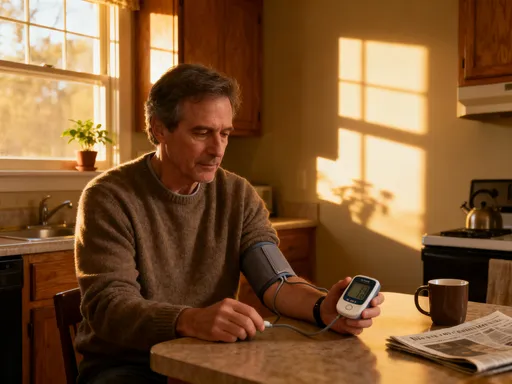
More than numbers: How health data helped me learn faster without burning out
Have you ever felt like you're studying hard but not getting anywhere? I did—until I started paying attention to my sleep, energy levels, and focus patterns. It wasn’t magic, just simple health data I already had. By understanding my body’s rhythms, I adjusted when and how I learned—and saw real results. This isn’t about fancy tech or extreme habits. It’s about using everyday insights to work with your body, not against it. And honestly? I wish I’d knew this sooner.
The Learning Wall I Couldn’t Break
For months, I sat at my desk for hours, highlighting textbooks and replaying lectures, only to forget most of it by morning. I thought more time equaled better results—until I realized I was exhausted, unfocused, and stuck. My motivation dipped, and so did my progress. I wasn’t lazy, but something was off. I started wondering: what if the problem wasn’t how much I studied, but how—and when—I was doing it? I’d wake up early, drink my coffee, and dive into dense material, convinced discipline meant pushing through fatigue. But by 10 a.m., my brain felt foggy. By lunch, I was rereading the same paragraph four times. I’d end the day feeling defeated, even though I’d spent six or seven hours “studying.”
Then one evening, after yet another frustrating session, I confided in a friend who’s a high school teacher. She didn’t tell me to study harder. Instead, she asked, “When do you feel most alert during the day?” I paused. I didn’t know. I’d never really paid attention. She smiled and said, “Maybe your body’s trying to tell you something.” That small question planted a seed. What if the key to better learning wasn’t in the books—but in me? What if my body had been sending signals all along, and I’d just been too focused on the clock to listen?
I realized I’d been treating my mind like a machine—expecting it to perform on demand, regardless of how I felt. But we’re not machines. We’re living, breathing humans with rhythms and needs. That moment changed everything. I stopped blaming myself for lack of progress and started asking a different question: How can I work with my body instead of fighting against it? That shift—from frustration to curiosity—was the first real step forward.
Discovering the Hidden Link Between Body and Brain
One day, I noticed a pattern: on days I slept well and moved my body, I absorbed information faster. On restless nights, even 20 minutes of reading felt like a chore. That’s when it clicked—my learning wasn’t just a mental task. It was deeply tied to my physical state. I began exploring how sleep, heart rate variability, and daily activity levels—data my smartwatch already tracked—could influence focus and memory. I wasn’t chasing perfection. I just wanted to understand the connection between how I felt and how well I could think.
I started paying attention to my sleep scores. On nights when I got more than six hours with solid deep sleep, I woke up feeling clear-headed. I could grasp complex ideas more easily, remember details, and stay engaged. But after a night of tossing and turning? I’d feel mentally sluggish, like my thoughts were moving through syrup. It wasn’t just about tiredness—it was about cognitive capacity. My brain literally had less bandwidth.
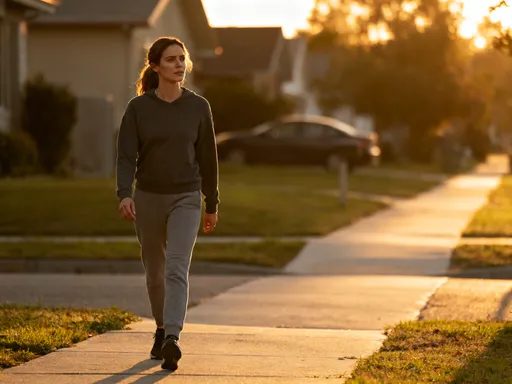
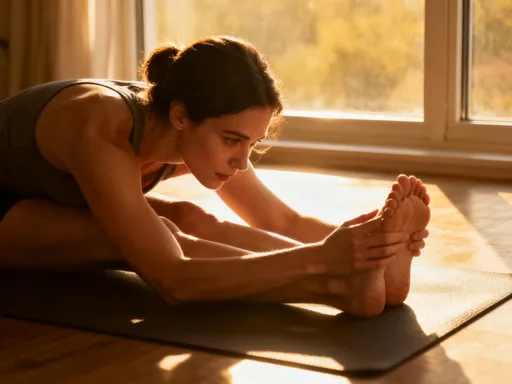
Then I noticed something else: on mornings after a short walk or light stretching, my focus sharpened. Even 15 minutes of movement seemed to “wake up” my mind. I began to see my body not as a separate vessel, but as the foundation of my thinking. It made sense—our brains run on blood flow, oxygen, and balanced hormones. When the body is out of sync, the mind follows. I wasn’t lazy. I wasn’t slow. I was simply out of rhythm.
This wasn’t about diagnosing anything or chasing elite performance. It was about recognizing that learning is a whole-body experience. And once I saw that, I stopped beating myself up for “bad” days. Instead, I started asking, “What’s my body telling me today?” That small shift—from judgment to curiosity—opened the door to real change.
Making Sense of the Data Without Getting Overwhelmed
At first, the charts and graphs felt confusing. My smartwatch spit out sleep stages, heart rate trends, step counts, and recovery scores. I didn’t know what to focus on. I spent a weekend trying to decode every metric, only to feel more stressed. That’s when I realized: I didn’t need to understand everything. I just needed to find a few signals that mattered to me.
I narrowed it down to three things: sleep quality, resting heart rate, and daily movement. That was it. I stopped obsessing over REM percentages and focused on the big picture. Did I feel rested? Was my heart rate lower in the morning? Did I move a little every day? These weren’t perfect indicators, but they were consistent. Over time, I began to see patterns. For example, after three nights of deep sleep, I could tackle challenging topics with ease. But if my resting heart rate was higher than usual, I knew I was likely recovering from stress or poor sleep—and that was a sign to go easier.
I started using a simple notebook to jot down how I felt each morning: “energized,” “foggy,” “okay.” Then I compared it to my sleep data. Within a few weeks, I could predict my best focus windows. I didn’t need an app to tell me when to study—I could feel it coming. The data didn’t control me—it guided me. It was like having a quiet coach who whispered, “Today’s not the day for heavy lifting. Try review instead.”
The key was consistency, not perfection. I didn’t track every single day. Some days I forgot. Some days I didn’t care. And that was okay. The goal wasn’t constant monitoring. It was building awareness. Just like learning to read a child’s moods, I was learning to read my own body. And the more I paid attention, the more I trusted it.
Small Changes, Real Gains in Focus and Retention
Once I aligned my study schedule with my energy cycles, everything shifted. Instead of forcing long sessions, I studied in 45-minute blocks during peak alertness. I learned that my brain worked best between 9 a.m. and 11 a.m., and again in the late afternoon after a short walk. I stopped fighting my natural rhythm and started working with it. I scheduled tough subjects—like statistics or foreign language grammar—during high-energy windows. Lighter tasks, like flashcards or organizing notes, went into lower-energy times.
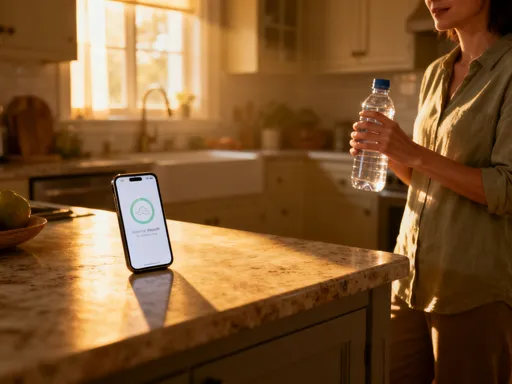
I also made tiny tweaks to my daily routine. I started taking a 10-minute walk after lunch. At first, it felt like a waste of time. But within days, I noticed my afternoon focus improved. I wasn’t crashing at 2 p.m. anymore. I also paid attention to hydration. I kept a water bottle on my desk and sipped throughout the day. I realized that even mild dehydration made my thoughts feel slower. Same with meals—eating balanced snacks with protein and healthy fats kept my energy steady. Skipping breakfast or grabbing sugary snacks led to quick crashes and brain fog.
These weren’t drastic changes. No extreme diets. No 5 a.m. workouts. Just small, sustainable shifts. But together, they added up. I cut my study time by nearly half, yet my retention improved. I wasn’t memorizing more—I was learning better. I could recall information faster, connect ideas more easily, and feel confident during practice tests. The real win wasn’t just academic. It was how I felt: less stressed, more in control, and kinder to myself.
I started celebrating small wins. A clear morning. A focused hour. A good night’s sleep. These weren’t just “nice to haves.” They became part of my success. I stopped seeing rest as wasted time and started seeing it as essential fuel. That mindset shift made all the difference.
Sharing What Worked—And Seeing My Sister Succeed Too
I showed my sister how I used sleep data to plan her exam prep. She was training for a nursing certification and feeling overwhelmed. She studied late into the night, convinced that burning the midnight oil was the only way to succeed. But she was exhausted, anxious, and doubting herself. I told her about my experience and suggested she try tracking her sleep and energy for a week—just to see.
She was skeptical. “I don’t have time for apps and data,” she said. I told her she didn’t need anything fancy. Just a notebook and a few minutes each morning. She agreed, mostly to humor me. But within days, she noticed a pattern: on mornings after a good night’s sleep and a short walk, she retained more. She could remember drug dosages and medical terms more easily. On tired mornings, even basic concepts felt confusing.
She started adjusting her schedule. She went to bed earlier and moved her study sessions to the morning. She still studied hard—but now, she studied smarter. She passed her certification with less stress and more confidence. And the best part? She started sharing what she learned with her friends at work. They began comparing notes on sleep, energy, and focus. It wasn’t just about passing a test—it was about learning how to learn in a way that felt human.
Seeing her succeed reminded me that we don’t have to do this alone. We can support each other, share what works, and grow together. It’s not about being perfect. It’s about being aware, making small changes, and showing up with kindness—for ourselves and each other.
Tools That Help—Without Taking Over Your Life
You don’t need expensive gear. A basic fitness tracker, phone health app, or even a simple journal can reveal patterns. I used free apps to log energy levels and focus times. The goal wasn’t constant monitoring, but occasional check-ins to stay in tune with my body. Tech became a quiet ally, not a distraction.
Some people swear by wearable devices. Others prefer pen and paper. I’ve done both. What matters is finding what works for you. The tool isn’t the point—the awareness is. You don’t need to track every heartbeat or analyze every sleep stage. Just start with one thing. Maybe it’s noting when you feel most alert. Or tracking how many hours of sleep leave you feeling refreshed. Even writing down three things you did each day—sleep, movement, food—can help you spot trends.
I’ve learned that the best tools are the ones you actually use. A fancy app is useless if you never open it. A simple notebook you keep on your nightstand? That can change everything. I’ve had weeks where I didn’t track anything—and that’s okay. The goal isn’t perfection. It’s connection. It’s remembering that your body is speaking to you, even when you’re busy.
And if tech feels overwhelming, skip it. Just pay attention. Notice how you feel after a good night’s sleep. Notice when your mind is sharpest. Notice what makes you feel calm or drained. That’s data too. Your body has been collecting it all along. You just have to start listening.
Learning That Feels Human Again
Now, studying doesn’t drain me. I respect my limits and celebrate small wins. Health data didn’t make me “perfect”—it made me more aware, more kind to myself, and more effective. This isn’t about optimization for the sake of performance. It’s about creating space to grow, learn, and thrive—without losing yourself in the process.
I used to think success meant pushing harder, staying up later, doing more. Now I know it’s about balance, rhythm, and self-awareness. It’s about understanding that we’re not machines. We’re complex, beautiful humans with needs and limits. And that’s not a weakness—it’s a strength.
When I honor my body’s signals, I learn better. When I rest when I’m tired, I come back sharper. When I move, hydrate, and eat well, my mind follows. These aren’t secrets. They’re simple truths we often forget in the rush of daily life.
This journey wasn’t about chasing grades or achievements. It was about reclaiming my energy, my focus, and my peace. It was about learning how to show up for myself—consistently, gently, and with intention. And if I can do it, so can you. You don’t need a perfect plan or the latest gadget. You just need to start paying attention. Because the answers aren’t in a textbook. They’re in your breath, your sleep, your steps, your heart. They’re in the quiet moments when you pause and ask, “How do I really feel today?” And from that simple question, everything else can grow.