I live alone—but I’m never really alone: How smart tools quietly guard my peace
Living alone doesn’t mean living unprotected. If you’ve ever double-checked the lock three times, wondered who’s at the door, or felt uneasy after dark, you’re not alone—literally or emotionally. I used to lie awake worrying, too. Then I discovered simple, everyday tech that blends into my routine like a silent guardian. No complicated setups, no tech genius needed. Just small changes that made me feel safer, calmer, and more in control—without thinking about it. This is how it started for me.
"Did I lock the door?"—When small worries grow loud
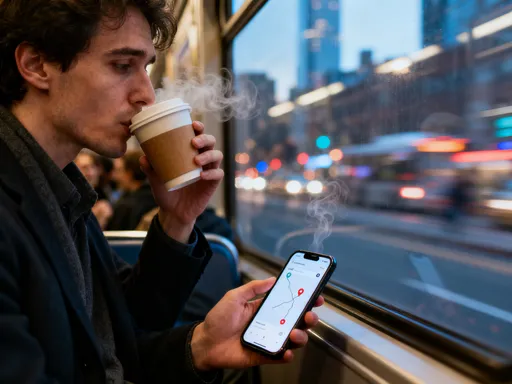
There’s a moment most of us who live alone know too well: you’re halfway to work, coffee in hand, when it hits you—did you lock the door? Suddenly, your morning unravels. You stand on the sidewalk, mentally replaying your exit, trying to remember if you heard that solid click. Do you go back? It’s only five minutes, right? But then you’re late, and the cycle starts again tomorrow. I used to do this—sometimes twice a day. It wasn’t paranoia, just uncertainty. And over time, that little doubt wore me down like sand on stone.
What surprised me was how much energy I spent managing that low-level anxiety. Was the stove off? Was the window latched? Did I really turn everything off before I left? These weren’t big emergencies, but they were constant. They stole peace from my mornings and made evenings tense. I didn’t realize how much it affected me until I stopped. That’s when I learned something important: safety isn’t just about protection—it’s about freedom from worry. And sometimes, the quietest tools can offer the loudest relief.
I started looking for solutions that didn’t feel like I was turning my home into a fortress. I didn’t want flashing lights or complicated codes. I just wanted to know—without guessing. I wanted to walk out the door and keep walking, without looking back. And that’s exactly what I found, not in some high-tech lab, but in the everyday world of smart home tools that work so quietly, you forget they’re there—until you need them.
The smart lock that ended my "lock-checking loop"
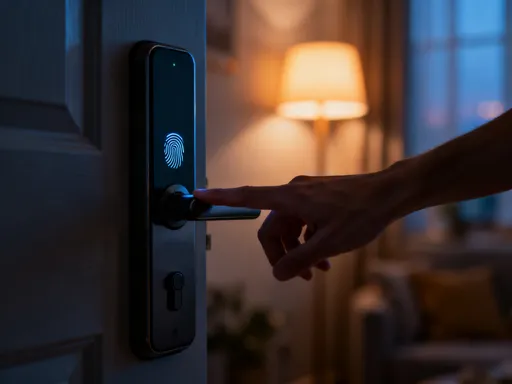
The first change I made was small but life-changing: I replaced my old deadbolt with a smart lock. I’ll admit, I was skeptical at first. I thought it would be one of those gadgets that looks great in ads but fumbles in real life. But this wasn’t about impressing anyone—it was about solving a real problem. I needed to know, for sure, that my door was locked. And I didn’t want to carry keys anymore. How many times had I dropped them, lost them, or fumbled in the dark?
Setting it up took less than an hour. I followed the instructions, removed the old lock, and screwed the new one in place. It looked sleek—modern but not flashy. The real magic was in how it worked. I could unlock it with a code, my phone, or even my fingerprint. No more juggling bags and keys when my arms were full. But the best part? It sent me a notification every time the door locked or unlocked. If I was already on the bus and that little ping came through—"Front door locked"—I could exhale. No more turning around. No more doubt.
And when my sister came to water my plants while I was away, I didn’t have to hide a key under the mat. I gave her temporary access through the app, which expired the day she left. No risk, no stress. I realized then that this wasn’t just about convenience—it was about trust. The lock remembered what I couldn’t. It became part of my routine, like brushing my teeth or setting the coffee maker. I didn’t think about it. I just lived.
A doorbell that sees who’s there—without me opening up
One evening, I heard a knock. It was dark, and I was alone. I walked to the door, peered through the peephole, and saw… nothing. Just a blurry shape. Was it a delivery? A neighbor? A stranger? I didn’t want to open the door, but I didn’t want to ignore it either. That moment of hesitation—of not knowing—used to happen more than I’d like to admit. Then I got a smart video doorbell, and everything changed.
Now, when someone rings, my phone buzzes. I can see them in full color, even at night. I can hear their voice. And if I want, I can talk back—"Just a second, I’m on my way!"—without ever unlocking a single bolt. It’s like having eyes at the door, even when I’m not there. I was surprised how much this small thing lifted my spirits. No more guessing. No more fear of the unknown.
It’s helped in ways I didn’t expect. Last winter, a package arrived during a snowstorm. I watched the delivery driver struggle through the snow, leave the box, and walk away. I didn’t have to run outside in my slippers. Another time, my cat startled me by jumping on the porch—only to appear on my screen like a tiny intruder. I laughed, but it showed me how sensitive and reliable the motion alerts were.
The video saves to the cloud, so I can go back and check if something feels off. And if I’m away, I can still answer the door—whether it’s a friend dropping by or a repair person showing up. It’s not about hiding. It’s about choosing when and how to connect. That sense of control? It’s priceless.
Lights that act like I’m home—even when I’m not
I used to come home late sometimes, after a long day at work. The apartment was dark, silent. And though I knew I was safe, that moment before I flipped the switch—when the shadows stretched and every creak sounded louder—used to make my heart race. I didn’t like that feeling. I wanted to walk in and feel welcomed, not wary.
So I tried smart lighting. I started with just one bulb in the living room—something simple, screw-in, no electrician needed. I set it to turn on at sunset, just a soft glow. At first, it felt strange. But soon, it became normal. I’d pull up to my building and see that warm light in the window. It felt like a hug from my home.
Then I added more. Now, when I’m away, the lights turn on randomly in the evening—kitchen at 7, living room at 8:30, bedroom lamp for ten minutes. It looks like someone’s moving around inside. Burglars don’t like homes that look lived-in, and this simple trick makes mine look like it’s always occupied. I don’t have to plan it. It just happens.
And when I’m home, I can dim the lights with my voice. "Hey, turn the lights down to 50 percent," and just like that, the mood shifts. I can set scenes—"Movie Time" dims the lights and turns on the TV. "Good Morning" brightens the bedroom gently, like sunrise. It’s not about luxury. It’s about comfort. About making my space feel safe, warm, and truly mine.
Motion sensors that watch the quiet moments
One night, I was in bed, almost asleep, when my phone buzzed. A motion alert from the living room. My heart jumped. I opened the app, expecting… I didn’t know what. But the video showed my cat, Mr. Whiskers, batting at a curtain he’d knocked loose. I laughed, but I also felt something deeper: relief. Because I knew. Not maybe. Not I hope. I knew.
That’s what motion sensors do—they turn guessing into knowing. I placed a few in key spots: near the front door, in the hallway, and one in the kitchen. They don’t scream or blare. They just send a quiet alert to my phone when movement is detected. I can check the camera feed instantly. No more lying awake wondering if I heard something.
They’re especially helpful when I’m away. If someone opens the door while I’m on vacation, I’ll know right away. I can call a neighbor, check the cameras, or contact building security. But most of the time, they do nothing—and that’s the point. Silence means everything’s fine. It’s like having a nightlight for your peace of mind.
People worry these tools make a home feel cold or clinical. But mine doesn’t. The sensors are small, discreet. You don’t see them unless you’re looking. They don’t change how I live—they just make it easier to relax while I do. And when you live alone, that ability to truly rest? That’s everything.
The routine that changed everything—without feeling like tech
Here’s what my day looks like now: I leave in the morning, tap my phone to arm the system, and walk out. No second thoughts. At work, I get a notification—"Door locked, lights off, system armed." I don’t even look up. It’s just background noise now, like the hum of the AC.
Later, I check the doorbell feed to see if my package arrived. I adjust the living room light from my desk. None of this feels like "using technology." It feels like living. The tools don’t demand attention. They don’t need updates or troubleshooting. They just work.
At night, I pull up to my building, and the porch light turns on automatically. The hallway light follows. I don’t have to fumble for keys or switch plates. I walk in, and the space feels alive, ready for me. My sister noticed it right away. "You seem… lighter," she said. "Less on edge." I hadn’t realized it, but she was right.
My mom feels better too. I gave her access to the app, so she can check in if she’s worried. She doesn’t call as often now—because she knows I’m safe. That’s the thing no one talks about: these tools don’t just protect me. They protect the people who love me from worry, too.
It’s not about fear. It’s about freedom. Freedom to travel, to work late, to enjoy a quiet evening without scanning the shadows. The best part? I didn’t need to become a tech expert. I started with one lock. Then one light. Then one sensor. Each step felt natural. Each one gave me a little more peace.
Safety isn’t about fear—it’s about freedom to live fully
I used to think safety meant locks, alarms, and staying alert. Now I see it differently. True safety is the ability to relax. It’s sleeping through the night without waking at every sound. It’s leaving the house without retracing your steps. It’s answering the door because you want to, not because you have to.
These tools didn’t make my home perfect. They made it peaceful. They didn’t eliminate every risk—that’s not possible. But they removed the constant hum of doubt that used to fill my days. And in its place, they gave me something priceless: confidence.
Living alone isn’t lonely when you feel secure. It’s empowering. It’s having a space that’s truly yours, where you can breathe, grow, and be yourself. Technology, at its best, doesn’t take over your life. It protects it—quietly, gently, without fanfare.
If you’ve ever hesitated to try something like this, I get it. It can feel overwhelming. But you don’t need to do it all at once. Start with one thing. Maybe it’s a smart lock. Maybe it’s a light that turns on when you get home. See how it feels. Let it become part of your rhythm.
Because peace isn’t found in a single grand gesture. It’s built in small moments—knowing your door is locked, seeing who’s at the door, walking into a lit room. These aren’t luxuries. They’re gifts you can give yourself. And the best part? You don’t have to live in fear to deserve them. You just have to want to live—fully, freely, and with a little more ease.