Tracked 300 Meals in 2 Months: The Nutrition App That Finally Made Healthy Eating Simple
Remember that moment when you stared into your fridge, hungry but clueless about what to eat—again? I’ve been there, juggling work, meals, and self-care, until a small app quietly changed everything. It didn’t shout about miracles or demand perfection. Instead, it learned my habits, simplified choices, and made nutrition feel doable. This isn’t about drastic diets—it’s about working smarter, not harder, with technology that truly gets real life.
The Daily Dilemma: When Healthy Eating Feels Like a Full-Time Job
Let’s be honest—how many times have you stood in front of the fridge, stomach growling, yet completely blank on what to eat? I’ve lost count. For years, that was my nightly ritual. I’d come home tired from work, mentally drained from managing emails, school schedules, and household to-dos, only to face the same exhausting question: What’s for dinner? And not just dinner—breakfast, lunch, snacks. The constant cycle of planning, prepping, and deciding wore me down. I wasn’t lazy. I wasn’t careless. I was just overwhelmed.
Healthy eating started to feel like another full-time job. I’d try meal prepping on Sundays, only to find half the containers still in the fridge by Thursday, forgotten and wilting. I’d download a new recipe app, get excited, then give up when I realized I was missing three ingredients and had no time to shop. The guilt crept in—why couldn’t I just get it together? But the real issue wasn’t motivation. It was sustainability. The systems I was using weren’t built for real life. They assumed I had endless energy, a perfectly stocked pantry, and no last-minute changes in plans. They didn’t account for the days my kid came home sick, or when I had a meeting that ran late, or when I simply forgot to thaw the chicken.
And it wasn’t just about food. It was about the mental load. Every decision, no matter how small, took up space in my brain. What to cook? What do we have? What does everyone like? Is this balanced? Is it quick enough? Will the kids eat it? That constant mental chatter was exhausting. I wasn’t failing at healthy eating—I was failing under the weight of too many decisions. What I needed wasn’t more willpower. I needed a system that could carry some of the load for me.
Why Most Nutrition Apps Fail Us (And Why I Almost Gave Up)
I’ve tried my fair share of nutrition apps. You know the ones—bright colors, cheerful notifications, barcode scanners that promise instant logging. At first, I was all in. I’d scan every yogurt cup, log every cracker, and feel proud of my discipline. But that excitement never lasted. Within days, the app became just another chore. Logging felt like homework. I’d forget to record a snack, and suddenly my “perfect day” was ruined. The app would show red warnings, low nutrient alerts, or guilt-inducing messages like “You’re 300 calories over.” It didn’t feel helpful—it felt judgmental.
What frustrated me most was how rigid these apps were. They treated nutrition like a math problem—calories in, calories out, with no room for flexibility. Life isn’t like that. One day you might walk 10,000 steps; the next, you’re stuck at a desk all day. One night you eat a balanced dinner; the next, you’re surviving on toast because the babysitter canceled. But most apps don’t adapt. They expect consistency, precision, and constant attention. And when you fall short, they don’t say, “Hey, life happens.” They say, “You failed.”
I also noticed they ignored the human side of eating. They didn’t ask if I was stressed, tired, or celebrating. They didn’t know I love roasted vegetables on weekends but need quick meals during the week. They didn’t care that my husband hates mushrooms or that my daughter only eats tacos if they’re called “crunch wraps.” These apps were built for data, not for families. They assumed a single user, a perfect kitchen, and unlimited time. But my kitchen has crayons on the counter, my time is borrowed, and my meals need to please at least three different taste buds. After a few tries, I almost gave up. Maybe tech just wasn’t the answer. Maybe I just had to accept that healthy eating would always be hard.
Finding the Right Fit: How This App Adapted to Me—Not the Other Way Around
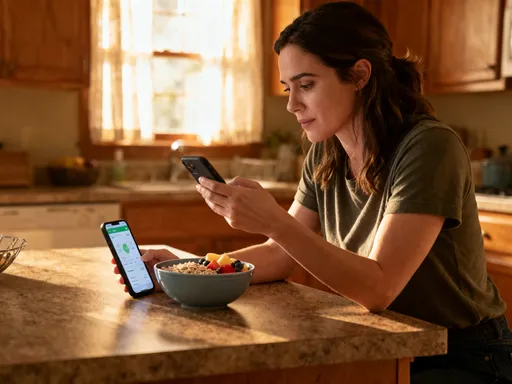
Then I stumbled on an app that felt different from the start. It didn’t bombard me with goals or demand a full food history. Instead, it asked simple questions: What do you usually eat for breakfast? Do you cook most nights? Any foods you avoid? It felt like a conversation, not an interrogation. And instead of pushing me to log every bite perfectly, it encouraged me to start small—just a few meals a week.
What surprised me was how quickly it began to learn. After a few days of logging, it noticed I ate oatmeal almost every morning. So it started suggesting variations—overnight oats with berries, baked oatmeal cups, savory versions with cheese and spinach. I didn’t have to search for recipes. They just appeared, based on what I already liked. When I logged a post-work snack of yogurt and granola three times in a row, it began reminding me, “You usually snack around 4 PM. Want to prep a jar tonight?” It wasn’t nagging. It was anticipating.
The real shift came when I realized the app wasn’t trying to change me. It was adapting to me. If I skipped logging for a day, it didn’t shame me. It just asked, “Missed a few meals? Want to add one now?” If I ate out, it didn’t panic. It offered simple ways to estimate the meal based on common dishes. And when I cooked a new recipe, it remembered the ingredients and suggested it again a few weeks later. It felt less like tracking and more like being supported. For the first time, I wasn’t fighting against the tool. The tool was working with me.
The Learning Curve: Why It Felt Clunky at First (And Why I Stayed)
Let’s be real—nothing great starts perfectly. The first week with the app was messy. I forgot to log breakfast twice. I mislabeled a smoothie as a meal when it was really just a snack. I rolled my eyes when it asked, “Was this balanced?” after I ate a piece of cake at a birthday party. At first, it felt like just another tech project I had to manage. But here’s what was different: the app didn’t give up on me, so I didn’t give up on it.
Instead of punishing me for missed entries, it used them as learning moments. It would say, “Looks like you often forget lunch. Want a reminder at noon?” Or, “You logged three takeout meals this week. Want some quick homemade ideas?” These weren’t demands. They were gentle invitations to do better—on my terms. I started to see the app not as a critic, but as a collaborator. It wasn’t about perfection. It was about progress.
What helped me stick with it was the way it evolved. The more I used it, the smarter it got. It learned that I cook more on weekends, that I prefer one-pot meals during the week, and that I always have eggs, frozen veggies, and tortillas on hand. Over time, its suggestions became eerily accurate. “You’re low on veggies this week—try the spinach frittata you liked in June?” Yes, please. That kind of personalization made me feel seen. And when a tool understands your life, you’re way more likely to keep using it.
Small Wins, Big Shifts: How Efficiency Quietly Transformed My Routine
The changes didn’t happen overnight. But slowly, I started to notice little wins. I spent less time scrolling through recipe sites. I wasted fewer groceries because the app helped me plan meals around what I already had. I stopped dreading the “What’s for dinner?” question because I often had a suggestion waiting. These might sound small, but together, they added up to something big: mental peace.
One of my favorite features was the “Quick Meal” button. On chaotic days, I could tap it and get three options based on my pantry and past favorites. No thinking required. One night, after a long day at work, I clicked it and got: black bean tacos, tomato soup with grilled cheese, or stir-fried rice with veggies. All were doable in 20 minutes, all used ingredients I had, and all were foods my family actually liked. I picked the tacos, and dinner was on the table in 15 minutes. No stress. No guilt. Just food.
Over two months, I logged over 300 meals. That number sounds impressive, but the real win wasn’t the count. It was the consistency. I wasn’t obsessed with tracking. I wasn’t chasing a number. I was just eating—better, easier, and more mindfully. The app removed the friction. It didn’t make me perfect. It made me possible. And that’s what sustainable change looks like—not a dramatic overhaul, but a quiet upgrade to your daily rhythm.
Beyond the Individual: How This Changed Our Family’s Relationship with Food
Here’s something I never expected: my whole family started benefiting. My husband, who used to say, “I’ll eat whatever,” began using the app too. He synced his profile, added his preferences, and suddenly, we had a shared system. No more “I don’t care, what do you want?” followed by disappointment when he got salad again. Now, the app would suggest meals that worked for both of us—like sheet pan chicken with sweet potatoes and broccoli, or whole grain pasta with turkey meatballs.
We even got the kids involved. On weekends, we’d sit together and look at the “Family Favorites” list. “Want to make the rainbow wraps again?” I’d ask. “Yes! With the purple cabbage!” my daughter would shout. The app made healthy eating feel fun, not forced. We started calling it “the food helper,” and honestly, it was. It reduced the nightly stress, eliminated last-minute takeout runs, and helped us eat together more often.
What I love most is that it didn’t turn dinner into a project. It didn’t require perfect discipline or hours of prep. It just made things smoother. We still have pizza nights. We still eat cookies after school. But now, those moments feel like choices, not failures. The app didn’t make us rigid. It made us balanced. And in a world where so much tech pulls families apart, this was one tool that actually brought us closer—around the table, sharing meals we all enjoyed.
The Bigger Picture: Why Effortless Tools Matter for Long-Term Well-Being
Looking back, I realize the biggest benefit wasn’t the healthier meals or the fewer takeout orders. It was the mental space I gained. Every time I didn’t have to decide what to cook, every time I avoided a grocery run for missing ingredients, every time I ate without guilt—that was a win. The app didn’t just track food. It freed up energy—energy I could now use for things that mattered more, like playing with my kids, reading before bed, or just sitting quietly with a cup of tea.
This experience taught me something important: the best technology doesn’t add to our load. It lifts it. So many tools promise to improve our lives but end up demanding more time, attention, and effort. They assume we have the capacity to learn, adapt, and maintain. But real life is messy. We’re tired. We’re busy. We’re doing our best. The tools that last are the ones that meet us there—not with demands, but with understanding.
What made this app different was its humility. It didn’t try to fix me. It didn’t shout for attention. It didn’t require me to change my life to fit its system. Instead, it quietly learned my patterns, respected my limits, and offered support when it made sense. It was like having a thoughtful friend in the kitchen—one who remembers what you like, knows when you’re overwhelmed, and just hands you the right recipe at the right time.
Technology That Fits Life, Not the Other Way Around
We don’t need more apps that shout, judge, or overwhelm. We need tools that listen, adapt, and simplify. This journey wasn’t about becoming a perfect eater. It was about becoming a calmer, more confident one. The app didn’t transform my body overnight. It transformed my relationship with food—and with myself. I stopped seeing healthy eating as a test I had to pass and started seeing it as a practice I could enjoy.
In a world full of noisy solutions, sometimes the quietest ones make the loudest difference. This app didn’t change my life with flashy features or extreme promises. It changed it by being consistent, kind, and incredibly practical. It proved that technology, when designed with empathy, can be a true partner in well-being. It doesn’t have to be complicated to be powerful. Sometimes, the smallest tool—a simple suggestion, a gentle reminder, a recipe that just fits—can carry the biggest change. One meal at a time, it helped me find ease, joy, and balance in a way I never thought possible. And honestly? That’s the kind of tech I can get behind.