What if your morning routine could adapt to you—instead of the other way around?
Waking up stressed, groggy, or late has become normal for so many of us. We hit snooze, rush through breakfast, and start the day already behind. But what if your home could gently guide you into the morning, matching your mood, energy, and schedule? I used to dread my alarm—until I discovered smart wake-up systems that don’t just wake me up, but help me *begin* better. It’s not about perfect mornings. It’s about flexibility, ease, and starting each day with a little more control. And honestly, once you experience it, going back feels like choosing to carry heavy groceries up the stairs when there’s an elevator right beside you.
The Morning Struggle Is Real (And It’s Not Just You)
Let’s be real—mornings can feel like a race you didn’t sign up for. One minute you’re asleep, the next you’re scrambling to get the kids dressed, burn toast, and find your keys while your heart races. You didn’t even have time to drink water, let alone think. I remember standing in front of the mirror one Tuesday, hair half-brushed, coffee cold on the counter, and thinking: Is this really how every day has to start? I wasn’t sick. I wasn’t lazy. I was just stuck in a routine that didn’t care how I felt.
And I know I’m not alone. So many women I talk to—moms, professionals, caregivers—say the same thing. They wake up already overwhelmed. The problem isn’t just the alarm. It’s everything that comes after: the noise, the rush, the pressure to perform before you’ve even had a moment to yourself. We’ve accepted this as normal, but it doesn’t have to be. The truth is, our bodies and minds weren’t built for abrupt transitions. We need space to wake up—not just physically, but emotionally and mentally.
Think about it. When your child wakes from a nap, you don’t yank them out of bed, turn on bright lights, and hand them a math worksheet. You ease them in. You talk softly. You give them time. So why do we treat ourselves so differently? Why do we expect to go from deep sleep to full productivity in 60 seconds? That kind of start doesn’t just make us tired—it makes us irritable, less patient, and more reactive. It sets the tone for the whole day. But what if we could change that tone? What if we could wake up feeling not just awake, but ready?
How Smart Wake-Up Systems Actually Work (Without the Tech Jargon)
Okay, I know what you’re thinking: Great, another gadget I don’t need. But this isn’t about adding more tech to your life—it’s about using it to make life simpler. A smart wake-up system isn’t just an alarm clock with extra buttons. It’s more like a gentle morning companion that learns your rhythm and helps your body wake up naturally.
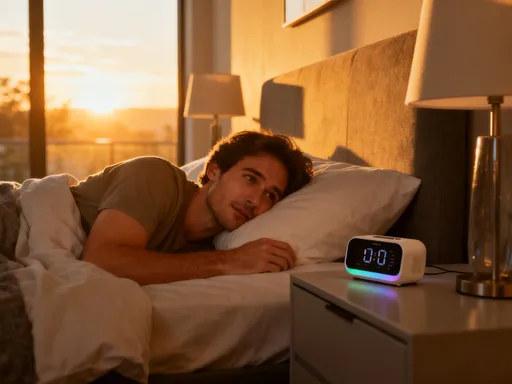
Imagine this: instead of a jarring beep, your room slowly fills with soft, warm light—like a sunrise. It starts 30 minutes before your alarm, gradually brightening. At the same time, your smart speaker plays calming sounds—birds chirping, soft music, or even your favorite podcast at a low volume. The temperature in your room adjusts slightly, helping your body shift from sleep to wakefulness. And when the alarm finally sounds, it’s not a shock. It’s a signal that your body is already preparing to rise.
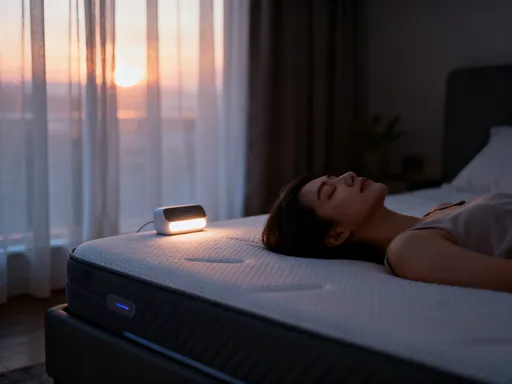
How does it know when to start? Many of these systems connect to a small sleep sensor—something you place under your mattress or wear as a simple wristband. It tracks your sleep cycles, figuring out when you’re in light sleep versus deep sleep. The app learns your patterns over time. Did you go to bed late last night? It adjusts. Did you wake up twice? It notices. And when it’s time to wake up, it picks the best moment in your lightest sleep phase—so you’re not yanked out of deep rest.
The best part? You don’t need to be a tech expert. Most of these systems work with apps on your phone. You set your wake-up window—say, between 6:30 and 7:00 a.m.—and the system finds the ideal time within that range. It can even sync with your calendar. If you have a meeting at 8:00 instead of 9:00, it wakes you 15 minutes earlier—automatically. No thinking. No planning. Just a smoother start.
Waking Up in Sync with Your Body, Not the Clock
We’ve all had those mornings where we wake up feeling worse than when we went to bed. That groggy, heavy feeling isn’t just bad luck—it’s biology. When you’re pulled out of deep sleep, your brain is still producing sleep hormones. Your body hasn’t had time to transition. It’s like stopping a car at full speed instead of slowing down gradually. No wonder we feel wrecked.
Smart wake-up systems help you avoid that crash. They work with your circadian rhythm—the natural 24-hour cycle that regulates sleep, hormones, and energy. This rhythm is influenced by light, temperature, and routine. When you wake up at the right time in your sleep cycle, even if it’s a few minutes earlier or later than planned, you feel more alert and less disoriented.
I’ll never forget the first time I woke up during a light sleep phase with my new system. I didn’t jump out of bed. I didn’t reach for my phone. I just opened my eyes, stretched, and thought, Huh. I feel… okay. Not amazing. Not perfect. But present. And that was new. In the past, I’d need three cups of coffee and a cold shower to feel human. Now, I can actually enjoy my coffee instead of chugging it like medicine.
One study from the Sleep Research Society found that waking during light sleep can reduce morning grogginess by up to 50%. You don’t need to memorize that number—but you should know this: timing matters. And when technology helps you honor your body’s natural rhythm, you don’t fight your day from the first second. You start in alignment.
Flexibility That Fits *Your* Life—Not a Schedule
Life doesn’t run on a perfect timetable. One night you’re in bed by 10:00. The next, you’re up until midnight helping a child with a school project. Some days you need to be at work by 7:30. Others, you’re working from home and can take your time. A rigid alarm doesn’t care. But a smart system does.
Here’s how it works in real life: Let’s say you have a late dinner with friends and don’t fall asleep until 1:00 a.m. Your usual alarm is set for 6:30. Without adjustment, you’d get less than five hours of sleep—guaranteed to leave you drained. But with a smart system, it detects your delayed bedtime and adjusts your wake-up time accordingly. Maybe it lets you sleep until 7:15, knowing you have a lighter schedule. Or if you must be up early, it still wakes you at the best possible moment in your sleep cycle—so you feel less wrecked.
For parents, this is a game-changer. My friend Lisa, a nurse who works night shifts, uses her system to adapt to rotating schedules. On her off days, she sleeps later. On work days, she needs to be alert by 6:00 a.m. Her system syncs with her calendar and adjusts every day. “It’s like having a personal assistant for my sleep,” she told me. “I don’t have to think about it. It just works.”
And weekends? They’re no longer ruined by oversleeping or feeling guilty for “wasting” the morning. You can set different routines for different days. Want to wake up gently on Saturday with soft music and sunlight, but have a firmer wake-up on Monday? Done. The system learns your preferences and makes it effortless. It’s not about discipline. It’s about support.
Small Changes, Big Shifts in Daily Energy and Mood
You might be thinking: Can a few minutes of gentle light really change my whole day? I asked myself the same thing. But here’s what I’ve noticed—when I start calm, I stay calm. I’m less reactive with my kids. I make better decisions at work. I even have more patience for the little things, like spilled cereal or a slow internet connection.
It’s not magic. It’s momentum. A peaceful morning creates a ripple effect. When you’re not starting from a deficit, you have more to give. I’ve had days where I walked into work and a colleague said, “You seem really centered today.” I didn’t do anything special—except wake up with intention.
Other women have shared similar experiences. Sarah, a teacher and mom of two, told me she used to dread mornings because she felt so short-tempered. “I’d snap at my kids for things I wouldn’t even notice later,” she said. After using a smart wake-up system for six weeks, she noticed a shift. “I’m not perfect, but I’m kinder. I have space to breathe before the day takes over.”
And it’s not just emotional. Physically, I have more energy. I’m not dragging through the afternoon. I’m more focused during meetings. I even exercise more because I don’t feel like I need to recover from waking up. These aren’t huge changes—they’re subtle, but they add up. Like compound interest for your well-being.
Making It Work in Your Home (Even If You’re Not Tech-Savvy)
If you’re not the kind of person who loves gadgets, I get it. I wasn’t either. I used to think, I just want to sleep. Why do I need another app? But setting this up was easier than I expected. You don’t need to rewire your house or learn coding. Most systems are designed for real life.
Here’s how I did it: I started with a smart lamp that mimics sunrise. I placed it on my nightstand and connected it to an app on my phone. It took less than 10 minutes. Then I added a sleep sensor—a thin pad I slipped under my mattress. No charging, no wearing anything. It just tracks my sleep and sends data to the app. I linked it to my calendar so it knows when I have early meetings.
Now, when people ask me, “Wait, does this work with my old lamp?” or “What if I don’t want to wear a device?”—yes, there are options. Some systems use your phone’s motion sensor to track sleep. Others work with smart speakers you already own. You can start small. Try one device. See how it feels. Adjust the light color, the sound, the timing—until it feels right.
And if you live with someone who likes a different wake-up style? No problem. Many systems let you set individual alarms. One person can wake to soft light and birdsong. The other can have a stronger tone. You don’t have to agree on everything—just support each other’s needs.
More Than a Better Morning—It’s a Kinder Way to Live
At the end of the day, this isn’t just about technology. It’s about care. It’s about choosing to treat yourself with the same kindness you give to everyone else. You wouldn’t expect your child to thrive on chaos. You wouldn’t ask your best friend to start every day exhausted. So why do we accept that for ourselves?
When your morning adapts to you, you’re not just waking up—you’re being seen. You’re being met where you are. Some days, that means a little extra sleep. Others, it means a gentle nudge to rise. But either way, it’s a choice that honors your body, your time, and your peace.
I used to think self-care meant spa days or long walks. And those are lovely. But real self-care is also in the small, daily acts—the way you start your day, the way you treat yourself in the quiet moments. A smart wake-up system isn’t a luxury. It’s a tool for dignity. For presence. For showing up as the woman you want to be—not the one who’s just trying to survive.
So if you’re tired of rushing, if you’re tired of feeling behind before you’ve even begun—consider this: what if your morning could work for you? Not against you. What if it could be softer, kinder, more forgiving? It’s not about perfection. It’s about possibility. And sometimes, the smallest change in the morning can make the biggest difference by nightfall.