What If Your Online Courses Could Fit Perfectly Into Your Crazy Day?
How many times have you started an online course full of motivation—only to quit because life got too busy? You’re not alone. Between work, family, and everything in between, finding time to learn feels impossible. But what if the problem isn’t your schedule—or your willpower? What if it’s just about working *with* your day, not against it? Technology has given us endless opportunities to grow, but too often, we treat learning like an extra chore instead of something that can flow naturally through our lives. The good news? It doesn’t have to be this hard.
The Hidden Struggle Behind Online Learning Failure
We’ve all been there—clicking ‘enroll’ on a course with real excitement, picturing ourselves gaining new skills, maybe even changing careers or finally starting that side project. But then reality hits. The kids need help with homework, dinner burns, the laundry piles up, and suddenly, that course tab in your browser stays open… and untouched. It’s easy to feel guilty, like you’ve failed. But here’s the truth: you didn’t fail. The system did.
Most online courses are designed for an ideal life—one where you have uninterrupted hours, a quiet space, and endless focus. But that’s not real life, especially not for someone juggling home, family, and maybe a job or two. The real issue isn’t discipline or motivation. It’s timing. We try to fit learning into moments that don’t exist, like expecting to read for an hour after a long day when all you want is to rest. The gap between intention and reality isn’t about effort—it’s about design.
Think about how many ‘invisible’ tasks fill your day: packing lunches, dropping kids at school, answering work emails during dinner, calming bedtime meltdowns. These aren’t small things—they’re energy drains. And when we add learning to that list without adjusting how we do it, it becomes another source of stress instead of growth. The problem isn’t that you’re too busy. It’s that learning hasn’t been made *doable* in the middle of your real day.
Why Traditional Time Management Doesn’t Work for Learning
You’ve probably heard the advice: “Wake up earlier.” “Use a planner.” “Block out two hours every Sunday.” It sounds logical, even inspiring. But if you’ve tried it, you know how quickly it falls apart. Your alarm goes off, but the baby is already crying. You open your planner, only to remember you forgot to sign the permission slip. Suddenly, that ‘perfect’ plan feels like another thing you’ve failed.
The truth is, traditional time management was built for a different kind of life—one with fewer moving parts. It assumes you have control over your time, that your energy stays steady, and that nothing unexpected will happen. But if you’re managing a household, that’s not how your day works. You don’t have the luxury of a predictable schedule. What you *do* have are rhythms—moments of energy, quiet, and focus that come and go like waves.
Trying to force learning into a rigid schedule sets you up for guilt and burnout. Instead of fighting your day, what if you could work *with* it? That’s where technology can actually help—not by adding more to your plate, but by making learning flexible, invisible, and even enjoyable. The goal isn’t to find more time. It’s to use the time you already have in a smarter way. And that starts with letting go of the idea that learning has to look a certain way.
Mapping Your Real Daily Rhythm (Not the Ideal One)
Forget the Pinterest-perfect schedule you see online. You don’t need to wake up at 5 a.m. or meditate for 20 minutes before checking your phone. What you need is honesty. What does your day *actually* look like? For three days, just observe. When do you feel sharp and alert? Is it right after your morning coffee? During your walk with the dog? Or maybe in the quiet 10 minutes after everyone’s gone to bed?
And when do you feel drained? Is it right after school pickup? During the dinner rush? When the house is finally quiet, but your brain is still spinning from the day’s to-do list? These aren’t flaws—they’re patterns. And once you see them, you can start working with them instead of against them.
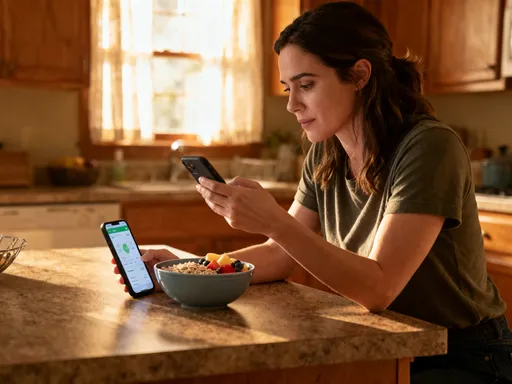
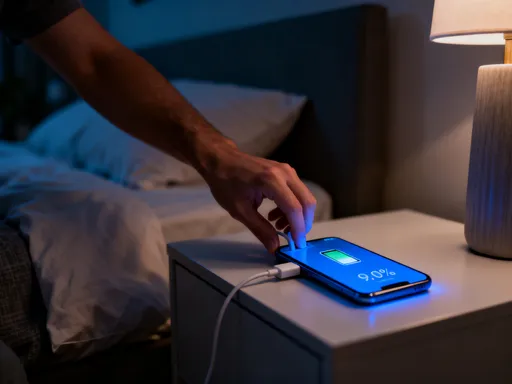
Now, look for the micro-moments. That 15 minutes while dinner is in the oven. The 10 minutes waiting for your yoga class to start. The time you spend scrolling on your phone before falling asleep. These aren’t wasted moments—they’re openings. Learning doesn’t need big blocks of time. It needs consistency. Five focused minutes every day can do more than one rushed hour once a week. The key is to stop waiting for the ‘perfect’ time and start using the time you already have.
Syncing Courses with Your Natural Energy Flow
Once you’ve mapped your rhythm, it’s time to match your learning to it. Think of your energy like a battery. Some parts of the day, it’s full. Others, it’s running low. You wouldn’t try to run a marathon when you’re exhausted—so why try to learn a complex new concept when your brain is fried?
Save the heavy lifting—like watching a dense lecture or writing a reflection—for your high-energy moments. Maybe that’s right after your morning walk, during your lunch break, or right after the kids leave for school. That’s when your focus is sharpest, and you’ll get the most out of the material.
Then, use your low-energy times for lighter learning tasks. Listen to a course audio while folding laundry. Review flashcards while waiting for the kettle to boil. Watch a short video while your dinner cooks. These aren’t ‘cheats’—they’re smart strategies. They let you keep moving forward without draining your energy. And over time, those small wins add up to real progress.
One mom I know told me she listens to her course podcast every time she drives her daughter to dance class. “It’s the only time I’m alone,” she said. “And now, instead of just zoning out, I feel like I’m growing.” That’s the power of syncing learning with your life—not forcing it in, but letting it flow through.
Turning Passive Moments Into Learning Wins
You don’t need to ‘find time’ to learn. You need to *use* time differently. Most of us have passive moments built into our days—commuting, waiting in line, sitting through long meetings, even watching TV. These are the spaces where learning can quietly thrive.
Take your commute. If you drive, that’s 20, 30, maybe even 60 minutes a day where your hands are busy, but your mind is free. Instead of listening to the same playlist or the news, try an audio version of your course. Many platforms now offer downloadable lectures or companion podcasts. You can even slow down the playback if it’s too fast, or replay a section if you missed something.
If you take public transit, that’s even better. Pull out your phone and watch a short video lesson. Bookmark five-minute clips in advance so you don’t waste time searching. Keep your learning app open on your tablet so it’s ready when you are. These tiny shifts don’t require extra effort, but they create momentum.
Another trick? Pair learning with something you already do. Listen to a lesson while you’re doing dishes. Watch a tutorial while your clothes are in the dryer. One woman I spoke with said she reviews her course notes every time she’s waiting for her coffee to brew. “It’s just a minute,” she said, “but I’ve learned so much just from those little moments.”
The magic isn’t in the length of time—it’s in the consistency. When you stop seeing learning as a separate task and start seeing it as something that can happen *anywhere*, it becomes part of your life, not an addition to it.
Building Accountability That Actually Fits Your Life
One reason we give up on courses is lack of accountability. We sign up with excitement, but without a teacher, a classroom, or deadlines, it’s easy to drift. But accountability doesn’t have to mean posting your goals on social media or joining a strict challenge with daily check-ins. For busy women, that kind of pressure often backfires.
Instead, try ‘gentle tracking.’ At the end of each day, just ask yourself: *Did I engage with my course today?* It doesn’t have to be a full lesson. Maybe you listened to one audio clip. Maybe you read two paragraphs. Maybe you just thought about what you learned while folding socks. If you did *something*, that’s a win.
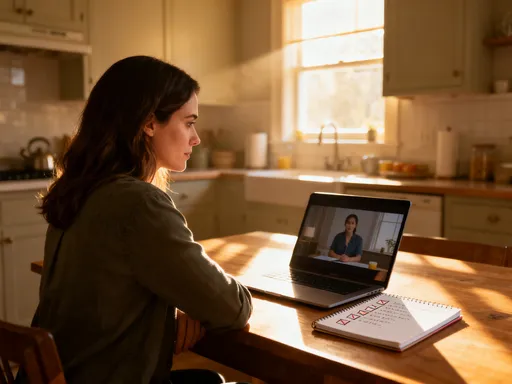
You can track it in a simple notebook, a notes app, or even a calendar. Put a checkmark or a star for each day you engage. The goal isn’t perfection—it’s awareness. When you see a streak forming, it feels good. And when you miss a day, you don’t beat yourself up. You just start again.
Another powerful tool is habit stacking—pairing learning with something you already do. For example: after I pour my morning tea, I open my course. Or: before I turn off the light at night, I watch one short video. These small rituals make learning automatic, not something you have to decide about every day. And when it becomes part of your routine, it sticks.
One woman told me she started doing this after her evening walk. “I used to just come home and sit down,” she said. “Now, I sit with my tablet for 10 minutes and watch a lesson. It’s become my ‘me time.’” That’s the kind of accountability that works—kind, consistent, and built into your life.
Designing a Learning Life, Not Just a Study Schedule
Eventually, something shifts. Learning stops feeling like a task you have to squeeze in and starts feeling like a natural part of who you are. You’re not just ‘taking a course’—you’re becoming someone who learns, who grows, who invests in herself, even in the middle of a busy life.
That kind of transformation doesn’t happen overnight. It happens in the quiet moments—the ones no one sees. The 10 minutes while the kids play. The audio lesson during a grocery run. The flashcards reviewed while waiting for the school bus. These aren’t dramatic changes. But over time, they add up to something powerful: confidence, knowledge, and a sense of forward motion.
And here’s the best part—you don’t have to choose between being a great mom, a good partner, a reliable employee, and a woman who grows. You can be all of those things. Learning isn’t something that takes away from your life. When done right, it becomes part of it. It gives you energy instead of draining it. It helps you feel more capable, more curious, more *you*.
Technology has made this possible. Online courses, mobile apps, audio lessons, downloadable materials—these tools aren’t just for students or full-time professionals. They’re for *you*. For the woman who wants to learn a new language, start a small business, understand personal finance, or just feel more confident in her choices. You don’t need more time. You just need a smarter way to use the time you already have.
So the next time you think, *I’d love to learn, but I’m too busy*, pause. What if you’re not too busy? What if you just haven’t found the right rhythm yet? Learning isn’t about perfection. It’s about presence. It’s about showing up, in small ways, again and again. And when you do, you’re not just finishing a course. You’re building a life where growth happens naturally—right in the middle of everything else you’re doing.