More than speed: How cleaning my phone gave me back weekends I didn’t know I’d lost
You know that feeling—your weekend starts, and suddenly your phone is slow, storage full, photos duplicated, and notifications piling up. What should be rest time turns into tech maintenance. I used to spend Saturday mornings fixing my phone instead of living in the moment. Then I changed how I clean it—not just deleting files, but rethinking how I use it. This small shift didn’t just free up space. It freed up time, peace, and joy. And yours can too.
The Weekend That Changed Everything
It started like any other Saturday—sunlight streaming through the kitchen window, coffee warming my hands, plans with friends waiting. I grabbed my phone to check the weather before our hike, and there it was: the spinning wheel. Then the dreaded message: ‘Storage Almost Full.’ I tapped into my photo gallery, only to find hundreds of blurry shots, screenshots I didn’t remember taking, and ten nearly identical pictures of the same sunset. My music app crashed when I tried to queue up a playlist. What was supposed to be a morning of adventure turned into two hours of deleting, sorting, and restarting.
By the time I fixed it, my friends had already started without me. I made it to the trail late, flustered and disappointed. That moment hit me hard: my phone, the tool meant to make life easier, had become a barrier to living it. I wasn’t alone—many of us carry devices that promise connection and convenience but end up demanding constant attention. I realized I didn’t need a new phone. I needed a new habit. Not a one-time fix, but a regular rhythm—a weekly reset. That Sunday, instead of scrolling, I sat down with intention. I didn’t treat it like a tech repair. I treated it like tidying my kitchen or folding laundry—something small, routine, and deeply satisfying. This wasn’t about fixing errors. It was about reclaiming control over my time and attention.
Why Phone Clutter Feels Heavier Than Physical Mess
We’ve all left dishes in the sink or clothes on the floor. But digital clutter? It’s different. You can’t see it, but you feel it. It’s the nagging sense that your phone is just off—slower, moodier, less helpful. And unlike a messy desk, digital clutter builds silently. A screenshot here, a downloaded file there, an app you tried once and forgot. Over time, it piles up in the background, draining your phone’s energy—and yours.
Research shows that digital disorganization increases stress and reduces focus, even when you’re not actively using your device. Those little red notification badges? They pull at your attention like tiny alarms. The endless scroll through a cluttered photo library? It creates decision fatigue before you’ve even started your day. I started noticing how I’d avoid opening certain apps because I knew the mess inside would frustrate me. I’d put off sharing photos with family because I didn’t want to sort through the chaos first. That avoidance cost me real moments—laughter, connection, memories.
What surprised me most was how emotional the clutter felt. Deleting old messages or outdated apps wasn’t just digital housekeeping—it was letting go. Some screenshots were tied to stress—work emails I saved ‘just in case,’ receipts I kept for no reason. Others were digital souvenirs of who I used to be—apps for hobbies I’d abandoned, photos of places I’d visited but never wanted to see again. Clearing them out felt like closing chapters. And when I finally opened a clean, organized phone, it wasn’t just faster. It felt lighter. Calmer. Like I could breathe again.
My Simple Weekend Reset Routine (And How You Can Copy It)
I won’t lie—my first cleanup took over an hour. But now, I do it in 20 minutes every Sunday evening. It’s become as natural as brewing tea or lighting a candle. I call it my ‘digital wind-down,’ and it sets the tone for a peaceful week. The key? I keep it simple, repeatable, and kind to myself. No pressure to be perfect. Just progress.
First, I tackle photos. I open my gallery and scroll through the week’s shots. I delete duplicates, blurry faces, and random snaps of my coffee cup (guilty). Then, I create one album for the week—just the highlights. Birthdays, family dinners, walks with the dog. This doesn’t take long, but it makes finding memories so much easier. I’ve stopped dreading the ‘Find that photo!’ panic when someone asks.
Next, I clean up apps. I go to my phone’s settings and check storage. I look for apps I haven’t opened in weeks—maybe a game I downloaded during a flight, or a shopping app I tried once. If I’m not using it, I delete it. If I might use it again, I ‘offload’ it—a feature that keeps the app’s data but removes the app itself. I can reinstall it in seconds if needed. Then, I clear the cache for big apps like social media or maps. It’s like sweeping dust from behind the fridge—no one sees it, but it helps everything run smoother.
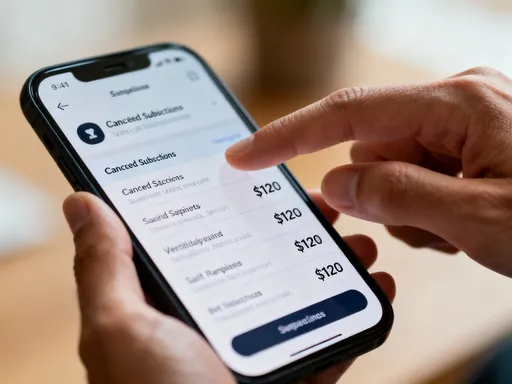
Finally, I review notifications and subscriptions. I turn off alerts for apps that don’t matter—daily deals, game updates, non-urgent emails. I check my subscription list and cancel anything I’ve forgotten about—a free trial I never ended, a service I used once. This step alone has saved me money and mental space. The whole process is gentle, intentional, and done with care. It’s not about punishment or perfection. It’s about creating a phone that serves me, not the other way around.
How a Cleaner Phone Improved My Real-Life Moments
The changes didn’t happen overnight, but they were real. Within a few weeks, I noticed I was taking more photos. Not because I had more time, but because I wasn’t afraid of the clutter. I’d capture my daughter’s laugh, a quiet sunset, the way the light hit my kitchen table in the morning. I wasn’t saving everything—just the moments that mattered. And because my gallery was organized, I actually looked at them. I shared them. I even printed a few.
My music listening changed too. Before, I’d open my app, see a mess of playlists, and give up. Now, I have a few simple ones—‘Sunday Mornings,’ ‘Workout Mix,’ ‘Road Trip Songs.’ I actually listen to full albums instead of skipping after one song. Music became enjoyable again, not just background noise.
But the biggest shift was in my spontaneity. I used to hesitate before saying yes to plans. ‘Let me check my phone first,’ I’d say, worried it would freeze or die. Now, I hand it to my daughter and say, ‘Take a picture of us before we go!’ I’m present. I’m ready. I’m not held hostage by my own device. That freedom is priceless. My phone isn’t a source of stress anymore. It’s a tool that helps me live better—capture memories, stay connected, enjoy music, navigate with ease. The speed is nice, but the peace? That’s the real upgrade.
What I Learned About Myself Through Digital Decluttering
This routine became more than tech maintenance. It became a mirror. Every Sunday, as I scrolled through my digital life, I saw patterns. Why did I save 15 screenshots of the same recipe? Why did I keep an app for a fitness challenge I never finished? What was I afraid of losing?
I realized I was holding onto digital ‘just in case’ items—screenshots of emails, old event tickets, apps for skills I wanted to learn ‘someday.’ They were safety nets I didn’t need. Letting go of them felt surprisingly freeing. It reminded me that I don’t need to save everything to remember it. I don’t need to collect tools to feel prepared. I am enough, as I am.
That awareness spilled into other areas. I started being more intentional with my time. I said no to commitments that drained me. I cleared physical clutter from my home with the same calm approach. I even became more mindful in conversations—listening more, scrolling less. The phone cleanup wasn’t just about storage. It was about values. What do I want to make space for? Joy? Peace? Connection? When I asked myself that, the answer was clear. And my phone? It became a reflection of that clarity.
Helping My Family Do the Same—And Why It Brought Us Closer
I didn’t keep this to myself. I showed my sister how to offload apps. I helped my mom turn off notifications that confused her. We started having ‘digital detox Sundays’ together—on the phone, laughing, sharing tips. She’d say, ‘How do I delete this?’ and I’d walk her through it. My sister would send me funny old memes we found while cleaning our message threads. It became a ritual.
One Sunday, my mom asked me to help organize family photos. We created albums—‘Grandkids,’ ‘Holidays,’ ‘Mom and Dad’s Trips.’ She cried when she found a video of my dad teaching me to ride a bike. We hadn’t seen it in years. That moment wasn’t about technology. It was about love. It was about memory. It was about connection.
My sister rediscovered a video of us dancing in the kitchen when we were kids. We played it over and over, laughing until we cried. These weren’t just files. They were pieces of our story. And because we had cleared the clutter, we could finally see them. What started as a personal habit became a bridge. We weren’t just cleaning phones. We were rebuilding moments. We were slowing down. We were choosing each other over endless scrolling. And in that quiet, weekly ritual, our bond grew stronger.
More Than a Faster Phone—A Calmer, Fuller Life
Today, my phone is fast. But more than that, it’s peaceful. I don’t dread opening it. I don’t feel guilty for using it. I don’t lose hours to mindless scrolling. Instead, I use it with purpose. To call my sister. To video chat with my niece. To play a song that makes me dance in the kitchen. To capture a moment I want to remember.
This small habit—20 minutes a week—has given me back something I didn’t know I’d lost: time. Not just minutes, but the feeling that my weekends are mine. That I can breathe. That I can be present. I’ve stopped letting my phone steal my joy. Instead, I’ve taught it to support my life.
And that’s the truth I want you to know: you don’t need the latest model. You don’t need to be a tech expert. You just need to care for your device like you care for your home. With kindness. With intention. With regular, gentle attention. When you do, it stops being a burden and starts being a gift.
Your weekends don’t have to start with frustration. They can start with a deep breath, a clean screen, and the quiet joy of being exactly where you are. Try it. This Sunday, spend 20 minutes with your phone—not scrolling, but resetting. Delete what you don’t need. Organize what matters. Turn off what distracts. And then, close it. Breathe. Step into your life. You’ve earned it.